

Greener Together
Prior to Greener Together, ASH was already making some structural and policy changes to become more sustainable. These include centrally purchasing and distributing energy efficient lightbulbs and recycled bin bags. “We replaced our windows and doors to get highly efficient double glazing. It was an enormous project that took three years, but once it was finished, people saw an immediately drop in their energy use. The direct feedback from that created another wave of excitement about doing other things”. The co-op provides fridges and cookers to all houses and has changed its policy to energy buy A** energy rated ones, and has a new policy about buying more sustainable hardwood flooring and carpets. The housing association also has changed the type of futon that it buys so that the mattresses contain recycled off-cuts. “We only buy eco-paint with low VOCs, do community compositing, have an onsite organic allotment and fruit trees. We changed our energy and gas suppliers and our water showerheads to low-water showerheads”. ASH has also begun to start to retrofit the houses and two have been nominated as guinea pigs to see how it will work.
The amount that the co-op is already doing could be inhibiting people from taking up the Greener Together pledges, suspects Bryony. “I think there maybe is a limit to which people are either capable, or prepared, to be involved in projects that are addressing Greener Together sustainability. Perhaps also it’s to do with capacity, because people are already involved in our in-house projects”. Bryony does think that, because ASH is pretty forward thinking with environmental policies, her fellow members already have a green identity, “somehow it’s also become a barrier to address the personal behavioural change”.
Bryony’s advice to eco-operators new to Greener Together is to get the practical/community project going quite early on. “It would have got people engaged and given them a feeling of ownership of the project and a feeling of accomplishment. If people feel part of something, then they’re more likely to stay engaged”. When it comes to the pledges themselves, Bryony’s advice is to choose pledges that are specific to you. “Look at your life, and go through the questionnaire and then find out the gaps. Fit pledges into your lifestyle and choose ones that you know you can achieve. Ask yourself ‘what do you know you ought to be doing, and never get round to?’” She also suggests using a buddy system to try and get people who have similar pledges to buddy up.
What They Say about new energy...
- DECC Confirm Contingency Plan
- New energy efficiency rating for homes highlights need for proper valuations of houses
- Do you wish to harness an income from your land with solar panels?
A call for commitment from the Government re: EU renewables target
Government needs to do more to remind the public it has not killed the FIT
The need for real data to prove renewable technology’s worth
Feed-in-tariff is not dead!
Pros & Cons of The Green Deal.
The Green Deal is coming, but what does it mean?
Time is running out for 50kwp solar systems at the top rate of feed in tariff
- Recyclable Items
- Rainwater Harvesting
- Feed In Tariff
- Challenge of being green
- Greener together
- Greener Living
- Wind Energy
- Solar panel installation
- Project Facilitator
- Green Fuel
- Grants
- Burning coal
- Wales Plans for Energy
- Energy Saving Cardiff
- Central Heating Issues
- Climate Change
Events 2024
'Social enterprise and the environment' event June 25, 2024
THIS WEBSITE WILL HELP YOU FIND PUBLICLY FUNDED SUPPORT AVAILABLE IN WALES FOR ENERGY EFFICIENCY AND SMALL-SCALE RENEWABLE ENERGY.
Save Up To 80% On Your Household Bills
FREE Training - how will climate change affect your community? June 25, 2024
Greener Living Fund launch - first pictures June 25, 2024
Wood Energy
Greener Living Programme launched June 23, 2024
The third sector gave us the welfare state, can it give us the sustainable state? June 22, 2024
UK Climate Projections launched (significant!) June 18, 2024
Funding Central launched June 17, 2024
Third Sector Climate Change Declaration June 15, 2024
Real Help for Communities: Volunteers, Charities and Social Enterprises June 7, 2024
The sun is inexhaustible. It will never run out meaning free energy for you forever Film June 5, 2024.
Comparing UK Solar Panel Installers could
Save Up To 65%
 Save Money
Cut your electricity bill by 70%.
Earn Money
Earn over £800 per year with the feed in tariff.
Accredited Companies
We only deal with certified installers.
Quick and Easy
It might be worth talking to a number of different companies. One we have found helpful and consistently delivering high results in the commercial industry is Enviko, but please be your own judge.
Save Money
Cut your electricity bill by 70%.
Earn Money
Earn over £800 per year with the feed in tariff.
Accredited Companies
We only deal with certified installers.
Quick and Easy
It might be worth talking to a number of different companies. One we have found helpful and consistently delivering high results in the commercial industry is Enviko, but please be your own judge.
UK Solar PV Benefits & Savings
Solar PV Cost/Savings example
This example is based on a 50kwp system with 30 degree pitch in Swindon with no grid upgrades and straight forward access. (2010)
System size: 50 kW
System cost: £75,000 +VAT
Income from FiT: £225,822 (assuming 3% RPI increase on 15.2p/kWh tariff)
Energy Savings: £106,142 (assuming unit cost = 11p/kWh)
Export Tariff Income: £15,469 (assuming inflation of 5%)
Total Profit (exc. install cost): £272,433
Benefits of Solar PV systems
- Lower electricity bills
- Cut carbon emissions
- Benefit from Feed-in-tariff for 25 years
- Cut carbon emissions
- Improve efficiency of building
- Sell electricity back to the grid to earn the Export tariff
Solar PV for Farmers
Solar can help farmers reduce energy costs and generate income at the same time. A solar PV installation can substantially reduce energy costs, especially for farms running power-hungry equipment during daylight hours. Through the feed-in-tariff you can expect a return on investment of around 8% for a 25 year period, plus the savings on your electricity costs.
As a Solar PV specialist and accredited installer since 2004, we can help expedite planning applications and complete fit outs on permitted developments quickly and efficiently.
Energy Saving 2024
The difficulty of engaging with people has meant that Bryony isn’t sure how accurately they’re sticking to their pledges. “I’m hoping that the new scheme where you can make your own pledges will improve things” she says. “It’s a good move for this audience where people are probably already doing some of the standard pledges”. 
Wood Burning Energy?
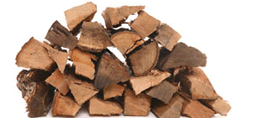
The renewable energy industry in Wales is providing the potential for new Wood Energy Businesses to be established by entrepreneurial individuals or co-operatives. www.woodenergybusiness.co.uk A Wood Energy Business will need: 1. A guaranteed, local supply of wood or processed wood fuel 2.
Solar Power
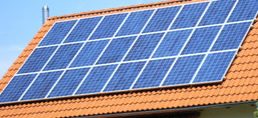
The Government has set targets for the number of UK households that will have installed solar panels to their home. Contrary to popular believe the UK has over 65% of the radiation that Spain receives which is more than enough to guarantee a the function of a Solar PV system. With the Government's feed-in tariff in place that allows an income to be produced from installing solar energy the number of homes that rely soley on solar power is set to rise.